Wishbone Tradition: Where It Came From

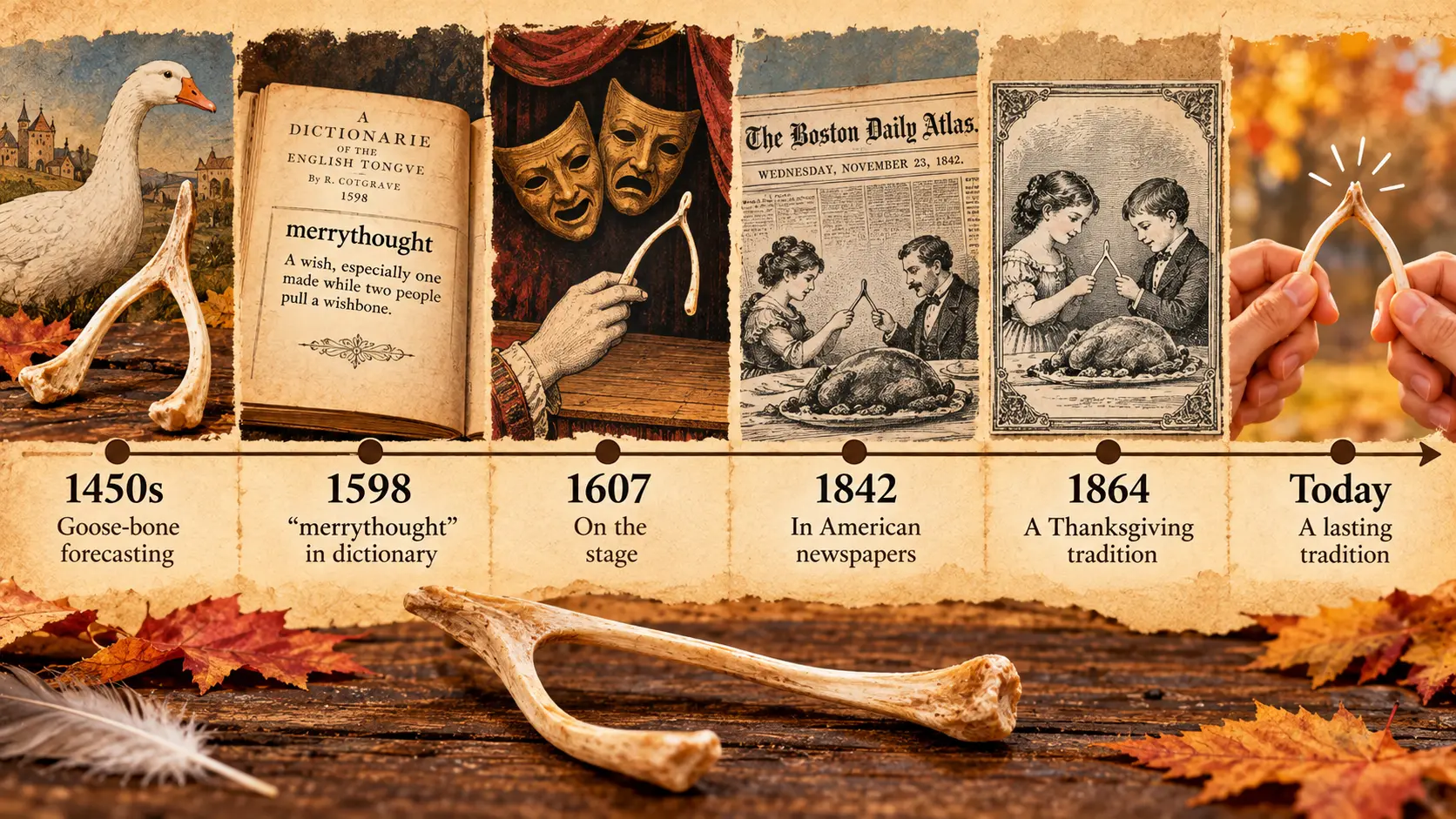
Timeline showing the documented history of the wishbone tradition from 1450s goose-bone forecasting to 1860s American Thanksgiving.

Breaking a bird’s wishbone for luck is about 400 years old. The English were pulling the “merrythought” by the early 1600s, and Americans were snapping “wish-bones” at Thanksgiving by the 1840s. The popular claim that the wishbone tradition began with Etruscan chicken oracles is a repeated legend with no ancient source behind it. The turkey … Read more

Why Is a Rabbit’s Foot Lucky? The Strange, Backwards History of a Charm

Lucky-rabbits-foot-superstition

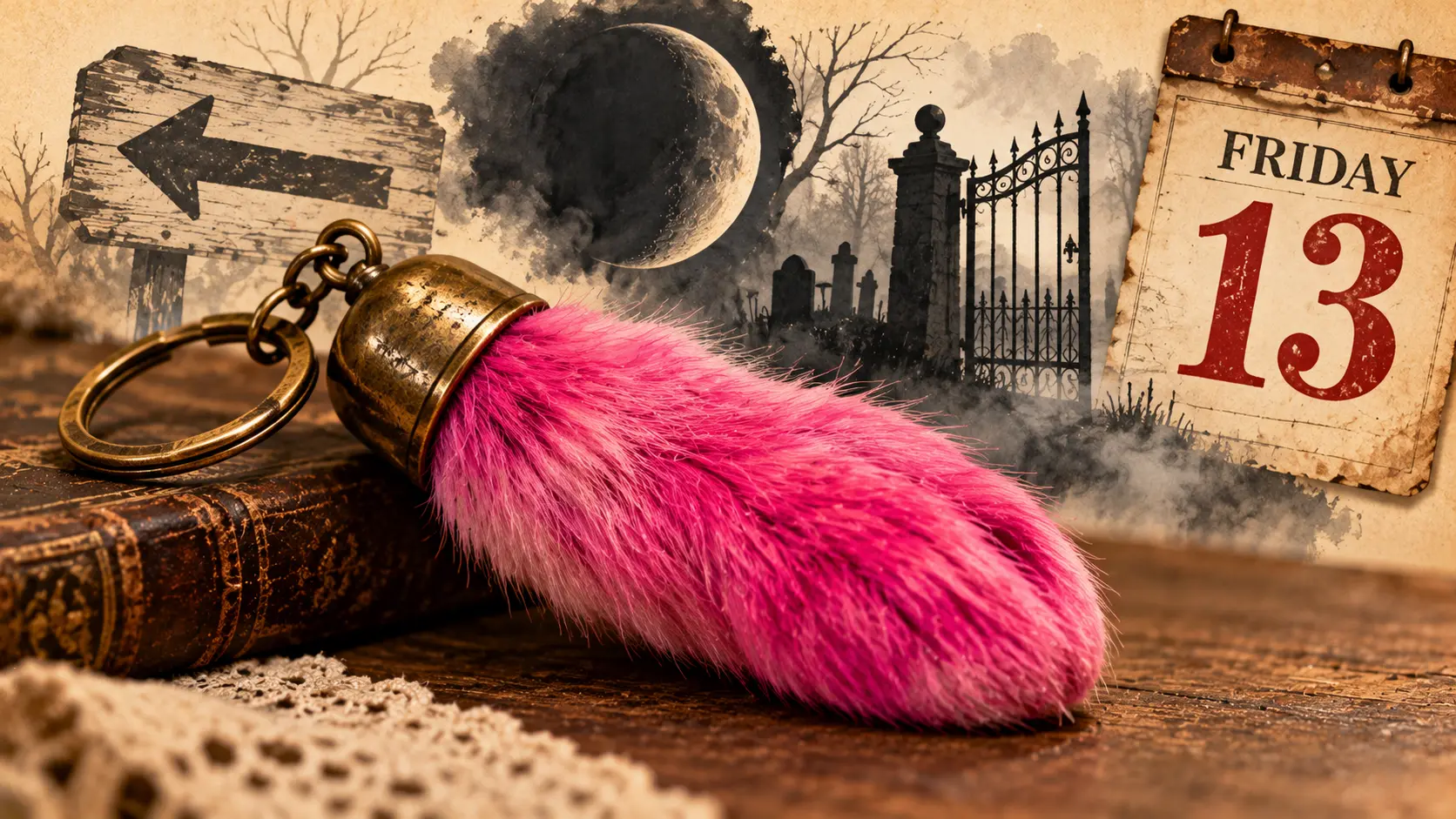
A rabbit’s foot is considered lucky mainly because of 19th-century African American hoodoo tradition, where the charm got its power from being collected in the “unluckiest” way possible: the left hind foot, taken in a graveyard at night. Older European hare’s-foot cures fed into the idea, but the popular “ancient Celtic” origin story has no … Read more

Why Is a Horseshoe Lucky — and Which Way Up?

horseshoe-up-or-down-luck-superstition

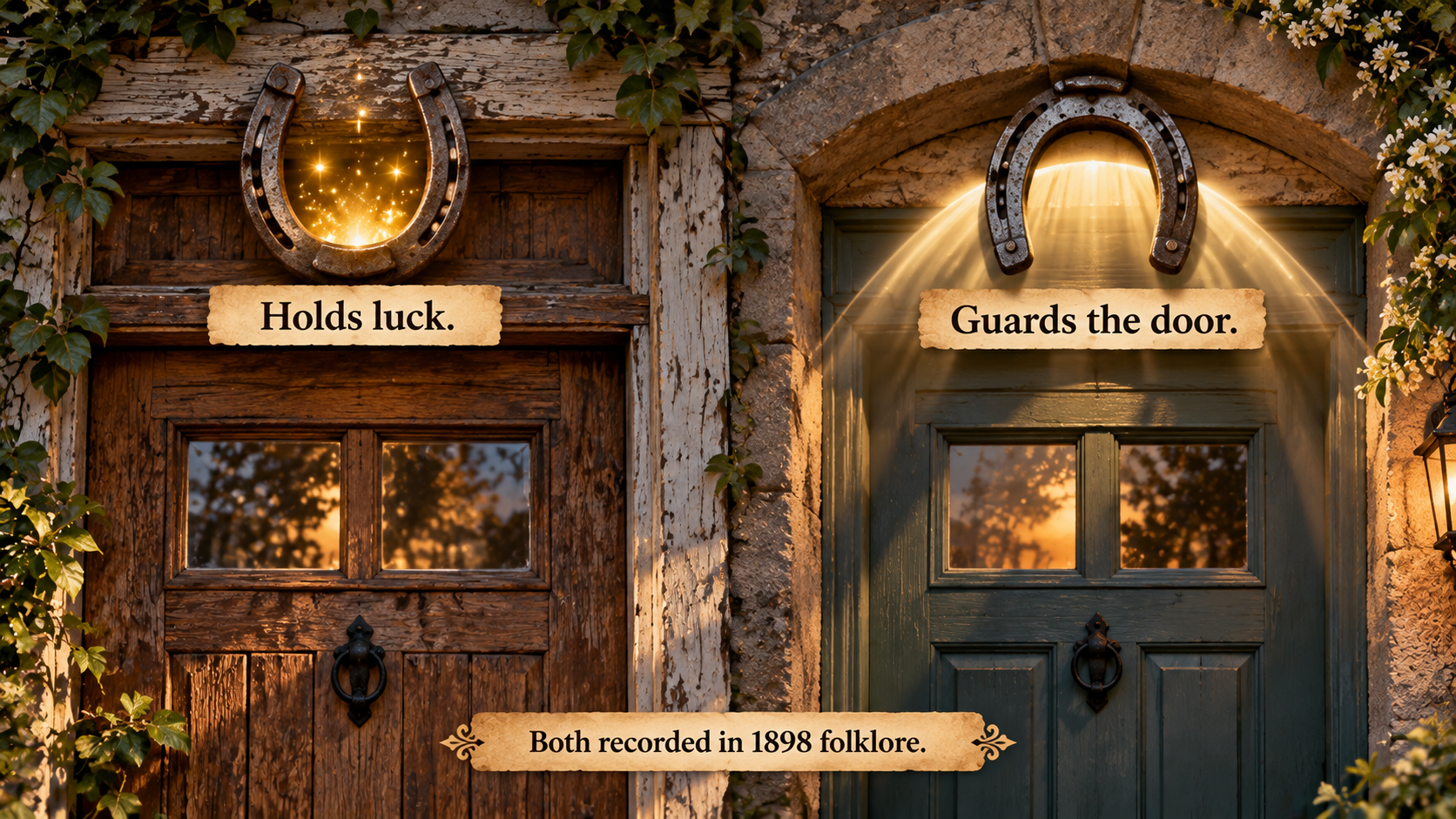
A horseshoe is considered lucky because it stacks three old beliefs: it’s made of iron, which European folklore said repelled witches and fairies; it’s shaped like a crescent moon; and it was forged by blacksmiths, once seen as almost magical. Hang it ends-up to “hold” luck; 1890s folklorists recorded ends-down as the protective doorway position. … Read more

Why Do People Knock on Wood?

Why Do We Knock on Wood

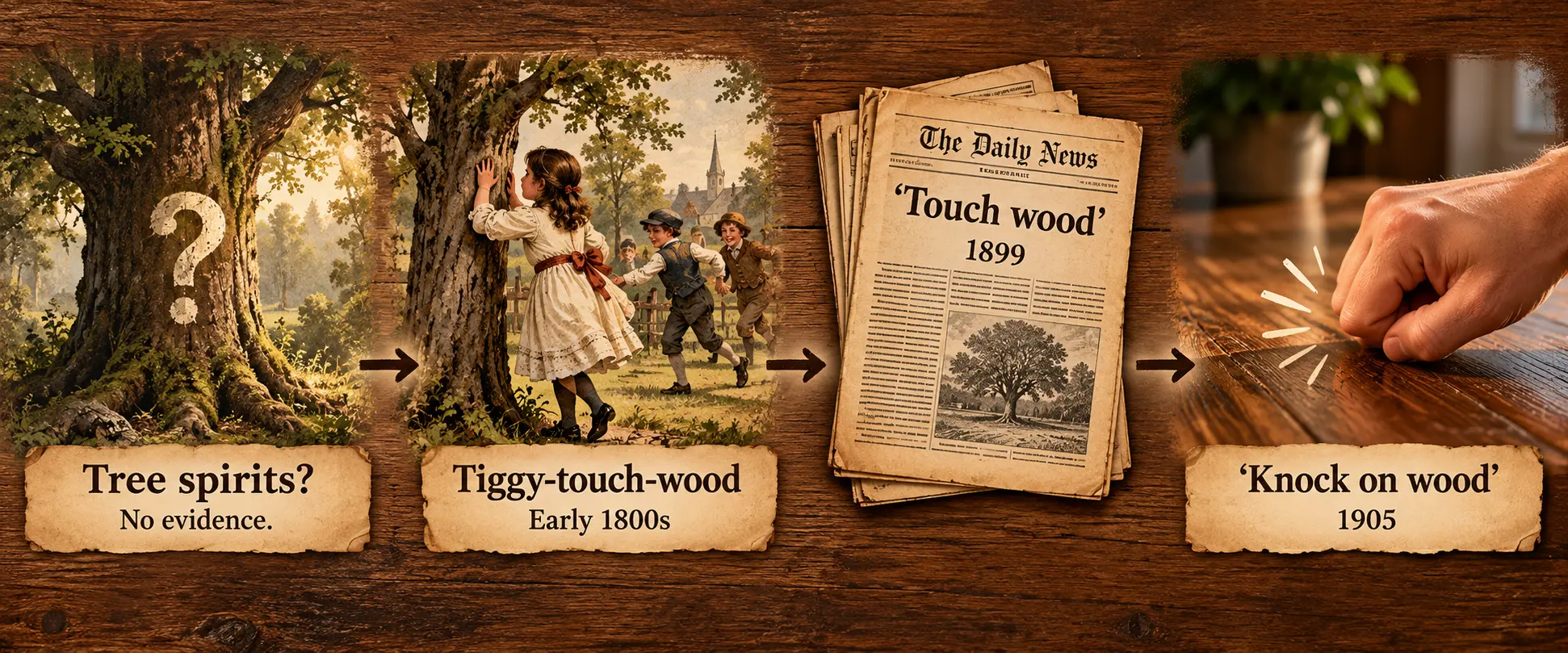
People knock on wood to “undo” a jinx after saying something hopeful or boastful. Popular stories link it to tree spirits or the Christian cross, but there’s no hard evidence for either. The phrase only shows up in print around 1900, and one strong theory ties it to a 19th-century British tag game called Tiggy … Read more

Step on a Crack, Break Your Mother’s Back: Where It Came From

Step on a Crack, Break Your Mother’s Back

“Step on a crack, break your mother’s back” is an American children’s sidewalk rhyme recorded in print since at least 1905. No ancient origin has been found. A racist variant also circulated, but the earliest records already say “mother’s back.” The rhyme likely survives because rhyming makes a warning feel true. Picture a second grader … Read more