Wishbone Tradition: Where It Came From

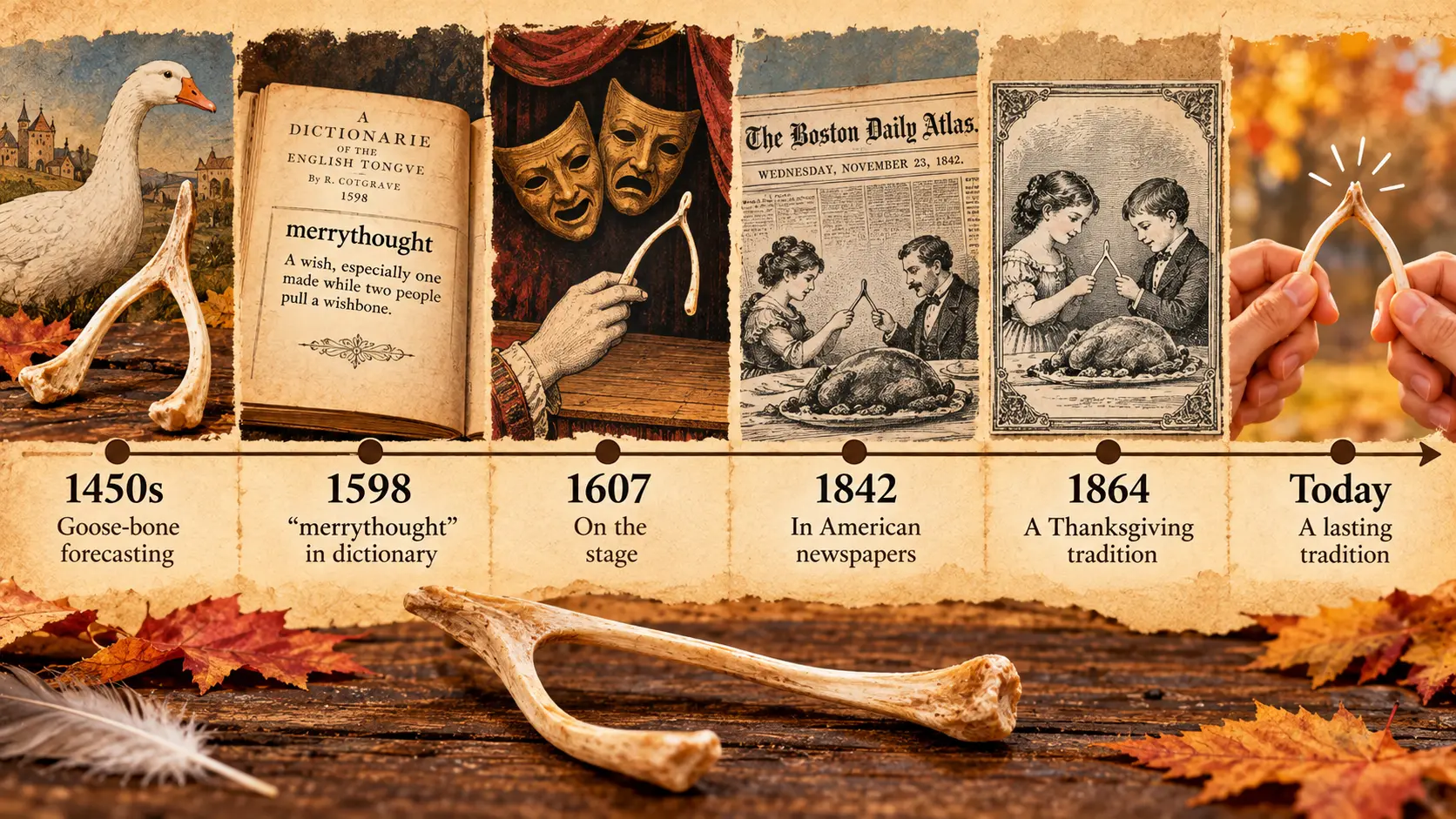
Timeline showing the documented history of the wishbone tradition from 1450s goose-bone forecasting to 1860s American Thanksgiving.

Breaking a bird’s wishbone for luck is about 400 years old. The English were pulling the “merrythought” by the early 1600s, and Americans were snapping “wish-bones” at Thanksgiving by the 1840s. The popular claim that the wishbone tradition began with Etruscan chicken oracles is a repeated legend with no ancient source behind it. The turkey … Read more

Why Is a Rabbit’s Foot Lucky? The Strange, Backwards History of a Charm

Lucky-rabbits-foot-superstition

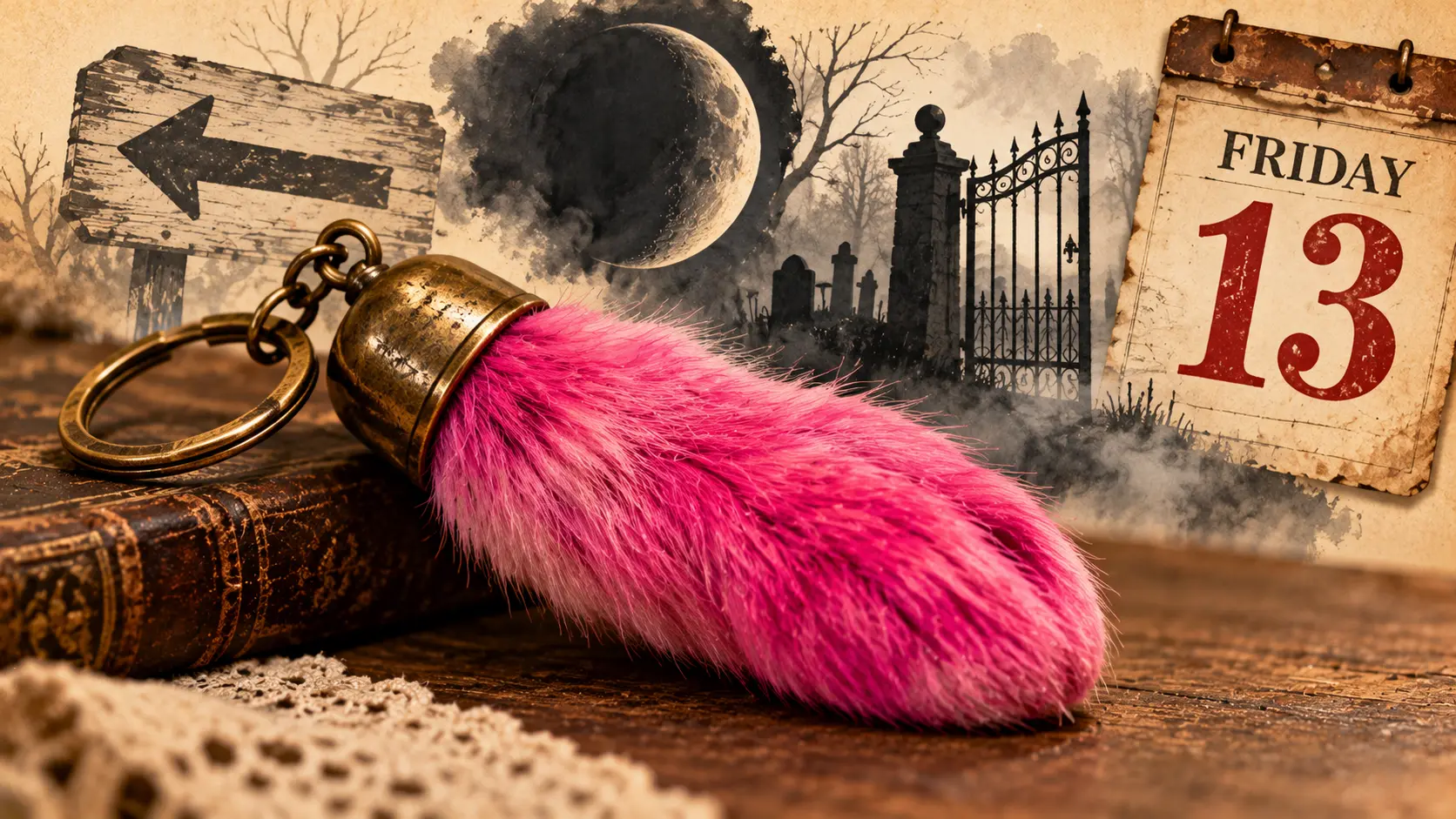
A rabbit’s foot is considered lucky mainly because of 19th-century African American hoodoo tradition, where the charm got its power from being collected in the “unluckiest” way possible: the left hind foot, taken in a graveyard at night. Older European hare’s-foot cures fed into the idea, but the popular “ancient Celtic” origin story has no … Read more

Why Is a Horseshoe Lucky — and Which Way Up?

horseshoe-up-or-down-luck-superstition

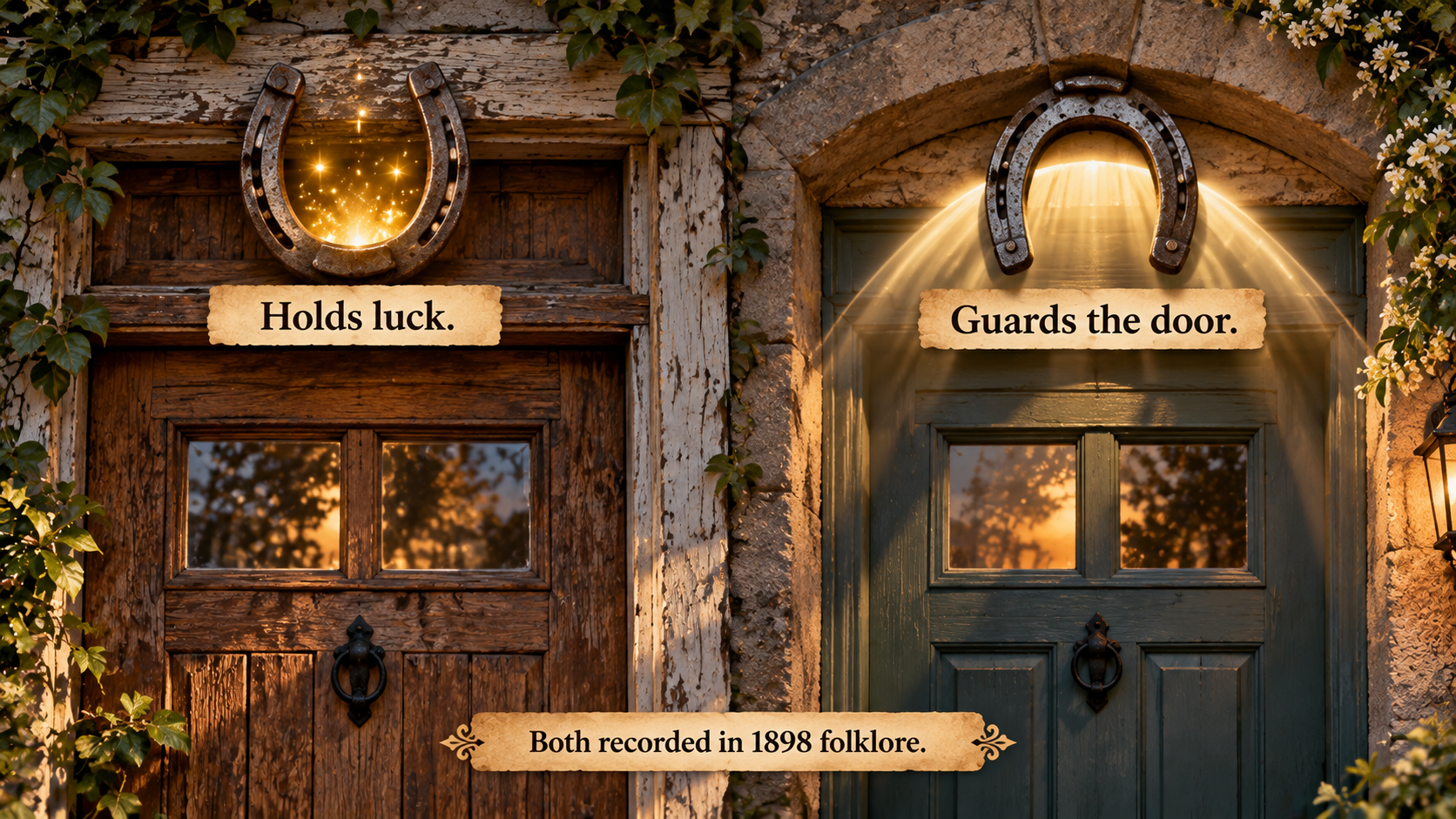
A horseshoe is considered lucky because it stacks three old beliefs: it’s made of iron, which European folklore said repelled witches and fairies; it’s shaped like a crescent moon; and it was forged by blacksmiths, once seen as almost magical. Hang it ends-up to “hold” luck; 1890s folklorists recorded ends-down as the protective doorway position. … Read more